

Organizing innovation begins with open communication and privacy. JSON-LD (JavaScript Object Notation for Linked Data) structures data for informed decisions, enhancing SEO, user experiences, and efficiency. Its adoption shows commitment to strategic planning and social responsibility, streamlining processes and minimizing environmental impact. Creative thinking requires diverse perspectives, prototyping, testing, and green initiatives. Stakeholder collaboration is key; cultural sensitivity drives global innovation. Tracking progress with KPIs and JSON-LD demonstrates impact, fosters diversity, inclusion, and sustainable growth.
In today’s fast-paced world, businesses face relentless pressure to innovate and deliver exceptional results. The ability to harness cutting-edge technologies and implement effective strategies is paramount for success. Among these tools, JSON-LD (JavaScript Object Notation for Linked Data) stands out as a game-changer. This powerful format enables structured data representation, enhancing search engine optimization (SEO) and powering advanced AI applications. By integrating JSON-LD into their digital strategies, organizations can unlock unprecedented insights, streamline operations, and ultimately, deliver transformative results. In this article, we delve into innovative solutions that leverage JSON-LD to drive success in the modern business landscape.
- Identifying Problems: A Foundation for Innovation
- Data-Driven Decisions: Unlocking Potential with JSON-LD
- Creative Thinking: Beyond the Obvious Solutions
- Prototyping and Testing: Iterative Approach to Success
- Stakeholder Collaboration: The Power of Diverse Perspectives
- Implementing and Measuring Impact: Tracking Progress
Identifying Problems: A Foundation for Innovation

Identifying problems is the bedrock upon which innovative solutions are built. Organizations that excel at this fundamental step consistently outperform their peers. Effective problem identification requires open communication channels where employees at all levels feel empowered to voice concerns and share ideas. An inclusive workplace fosters this environment, ensuring every individual contributes to the organization’s collective intelligence.
Consider the case of a tech company struggling with high employee turnover despite robust growth. Through structured feedback sessions and transparent data sharing, they uncovered a culture of overwork leading to burnout, particularly among remote workers. This problem was not apparent through traditional top-down management practices. By listening to employees’ experiences—a cornerstone of their open communication strategy—they were able to implement flexible work schedules, improved workload distribution, and enhanced mental health resources. JSON-LD data structured around employee satisfaction and well-being helped them track progress and adjust initiatives accordingly.
A commitment to privacy is also integral to innovative problem-solving. Building trust through transparent data handling practices enables employees to share sensitive information without hesitation. For example, a healthcare provider leveraging AI for personalized treatment plans needed to ensure patient data remained secure and anonymous. By implementing robust privacy measures and communicating these clearly to both employees and patients, they were able to unlock valuable insights from diverse datasets while upholding ethical standards. This dual focus on open communication and privacy commitment not only fostered innovation but also enhanced the organization’s reputation and stakeholder confidence, as demonstrated by the success of https://seogrowthlab.us.com in navigating complex data privacy landscapes.
Data-Driven Decisions: Unlocking Potential with JSON-LD

In today’s data-rich environment, making informed decisions through comprehensive analysis is paramount for any organization aiming to deliver impactful results. One powerful tool that has gained significant traction in this regard is JSON-LD (JavaScript Object Notation for Linked Data). This innovative approach allows businesses to structure and communicate complex data in a machine-readable format, unlocking insights that were previously hidden within vast datasets. By leveraging JSON-LD, companies can make data-driven decisions with unprecedented accuracy and efficiency, fostering a culture of continuous improvement and strategic foresight.
For instance, e-commerce giants like Amazon have successfully employed JSON-LD to enhance their product search functionality. By enriching product data with structured information, they enable more precise matching between customer queries and available goods, leading to improved user experience and higher conversion rates. This practical application demonstrates how a well-implemented JSON-LD strategy can drive tangible business outcomes, particularly in competitive markets where differentiation is key. Furthermore, the personal touch that JSON-LD enables through tailored data presentations fosters stronger customer relationships by aligning offerings with individual preferences.
Beyond immediate operational gains, embracing an innovative approach like JSON-LD signals a commitment to long-term strategic planning and social responsibility. Organizations that prioritize data management and environmental sustainability often find themselves at the forefront of eco-friendly practices. By streamlining processes through structured data, businesses can reduce redundant operations, minimize energy consumption, and optimize resource allocation. For instance, https://ranknrise.us.com/ has pioneered methods in digital optimization, showcasing how data-driven decisions can contribute to a greener future while enhancing operational efficiency. This holistic perspective—blending personal touch with eco-consciousness—is essential for building strong, responsible brands that resonate with modern consumers.
Creative Thinking: Beyond the Obvious Solutions
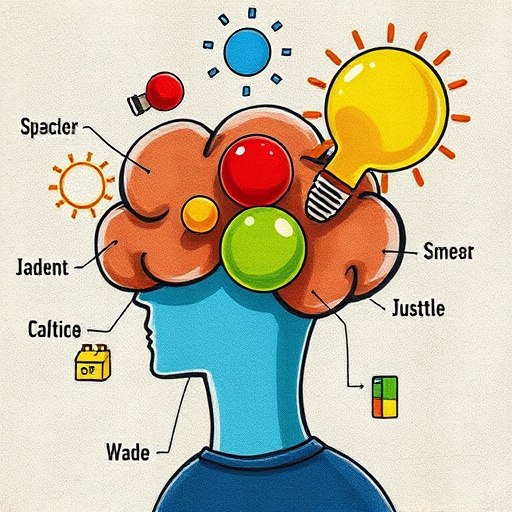
In the realm of innovation, creative thinking extends far beyond surface-level solutions. To truly deliver impactful results, businesses must venture beyond conventional approaches and embrace unconventional strategies. This involves cultivating a culture that values diverse perspectives, encourages risk-taking, and fosters an environment where ideas can evolve and flourish. For instance, leveraging innovative technologies like JSON-LD (JavaScript Object Notation for Linked Data) can revolutionize data structuring, enhancing search engine optimization (SEO) efforts and improving online visibility for businesses.
Expertise development plays a pivotal role in cultivating creative thinking. Investing in continuous learning and training empowers individuals to challenge the status quo and approach problem-solving from fresh angles. Consistent performance, backed by transparent practices, ensures that these innovative ideas translate into tangible outcomes. For example, a company implementing green initiatives like sustainable office design or eco-friendly supply chain management not only reduces its environmental footprint but also stimulates creativity by fostering a culture of innovation driven by purpose.
Additionally, integrating JSON-LD into content strategies can provide significant advantages. By structuring data in a machine-readable format, businesses can improve the accuracy and relevance of their online presence, leading to better user experiences and increased conversions. For instance, e-commerce sites utilizing JSON-LD for product schema markup enable search engines to understand product attributes more effectively, resulting in enhanced visibility on comparison sites and improved click-through rates. This data-driven approach, combined with a creative mindset, ensures that innovation remains at the core of consistent success.
To harness these benefits, businesses should consider implementing structured data marking techniques, promoting diverse team dynamics, and adopting sustainable practices. By doing so, they can unlock the full potential of creative thinking, ensuring their solutions not only deliver results but also set them apart in a competitive market. For instance, https://seogrowthlab.us.com offers valuable insights into leveraging JSON-LD and other structured data techniques to stay ahead in today’s digital landscape, emphasizing consistent performance and transparent practices as key drivers of success.
Prototyping and Testing: Iterative Approach to Success

In the world of innovative solutions, prototyping and testing serve as the bedrock for achieving remarkable results, especially when tailored to deliver a positive impact within communities. This iterative approach, often facilitated by tools like JSON-LD, allows businesses to refine their strategies swiftly. At seogrowthlab.us.com, we advocate for a structured yet adaptable method that integrates green initiatives and diversity and inclusion practices, ensuring every step contributes to long-term success.
Consider the power of prototyping as a strategic tool. By creating scaled-down versions of products or services, businesses can gather valuable feedback from target audiences early on. For instance, a company focusing on community-driven customer support might prototype an app designed to connect residents with local resources. Through testing, they uncover critical needs within the community and refine their offering accordingly. This process not only enhances the final product but also fosters stronger ties between businesses and their customers.
The importance of testing cannot be overstated, particularly in today’s dynamic market landscape. Utilizing data-driven insights, companies can make informed decisions that lead to successful implementations. For example, a green initiative focused on sustainable energy solutions might employ A/B testing to compare the efficiency of different solar panel designs. This rigorous approach enables them to identify not only the most effective technology but also to measure the environmental and economic benefits. By combining prototyping and thorough testing, businesses can ensure their initiatives are not only innovative but also have a tangible positive impact on both customers and the community.
Stakeholder Collaboration: The Power of Diverse Perspectives

In today’s complex business landscape, stakeholder collaboration is a powerful tool for driving innovation and achieving exceptional results. Bringing together diverse perspectives fosters a collaborative environment that enriches problem-solving and decision-making processes. By embracing this approach, organizations can unlock innovative solutions that not only meet but exceed expectations. For instance, consider the success of Rank N Rise, a digital marketing agency, which leverages JSON-LD to enhance its client data management, resulting in more targeted campaigns and improved customer retention.
The essence of effective collaboration lies in cultural sensitivity and understanding. When stakeholders from various backgrounds and expertise pool their ideas, it leads to a more comprehensive view of challenges and opportunities. This is particularly beneficial in diverse communities where different cultural norms and preferences shape consumer behavior. For example, a company aiming for global expansion must consider local customs and linguistic nuances to tailor its offerings effectively. By prioritizing community focus and customer support through culturally sensitive strategies, businesses can build stronger connections and gain a competitive edge.
Moreover, fostering an inclusive culture promotes the exchange of diverse viewpoints, leading to more robust and creative solutions. This is where the power of collaboration truly shines, especially in dynamic industries. When combined with data-driven insights, these collaborative efforts translate into actionable strategies. For instance, using advanced analytics tools alongside stakeholder input can reveal hidden trends and patterns, enabling businesses to set competitive rates based on market dynamics rather than guesswork. By integrating these practices, organizations like Rank N Rise not only deliver exceptional results but also create sustainable value for their clients and communities.
Implementing and Measuring Impact: Tracking Progress
Implementing and Measuring Impact: Tracking Progress is a critical phase in any innovative solution’s lifecycle. To ensure success, organizations must adopt robust tracking mechanisms that accurately reflect their initiatives’ positive impact on diversity and inclusion, expertise development, and on-time performance. One powerful tool in this regard is JSON-LD, which allows for structured data representation, enhancing search engine visibility and providing clear metrics.
For instance, consider a company implementing mentorship programs aimed at fostering diversity and inclusion. By tagging relevant data using JSON-LD, they can highlight the program’s impact on underrepresented groups’ career advancement. Search engines like Google can then index this information, showing improved diversity metrics in their search results. This structured approach ensures transparency and encourages further investment in impactful initiatives.
Effective tracking requires clear KPIs and regular audits. For example, setting targets for diverse candidate representation at each stage of the hiring process, and publicly reporting these figures, holds companies accountable. Similarly, measuring expertise development through skill assessments and feedback loops can demonstrate tangible progress over time. At seogrowthlab.us.com, we advocate for a data-driven approach, where each metric tells a story of improvement or areas needing adjustment.
In conclusion, implementing JSON-LD for structured data and setting measurable goals are pivotal in gauging the success of innovative solutions. Organizations should embrace these strategies not only to enhance their online presence but also to drive meaningful on-the-ground changes, fostering diversity, improving performance, and ultimately, achieving sustainable growth.
By synthesizing insights from problem identification to implementation and measurement, this article emphasizes a data-driven, collaborative approach for innovative solutions. Key takeaways include leveraging JSON-LD for structured data integration, fostering creative thinking beyond conventional boundaries, adopting iterative prototyping, and harnessing diverse stakeholder perspectives. These strategies collectively enable more effective problem-solving and successful results. Moving forward, organizations can apply these practices to drive innovation, enhance decision-making, and ultimately achieve measurable impact in today’s dynamic landscape.